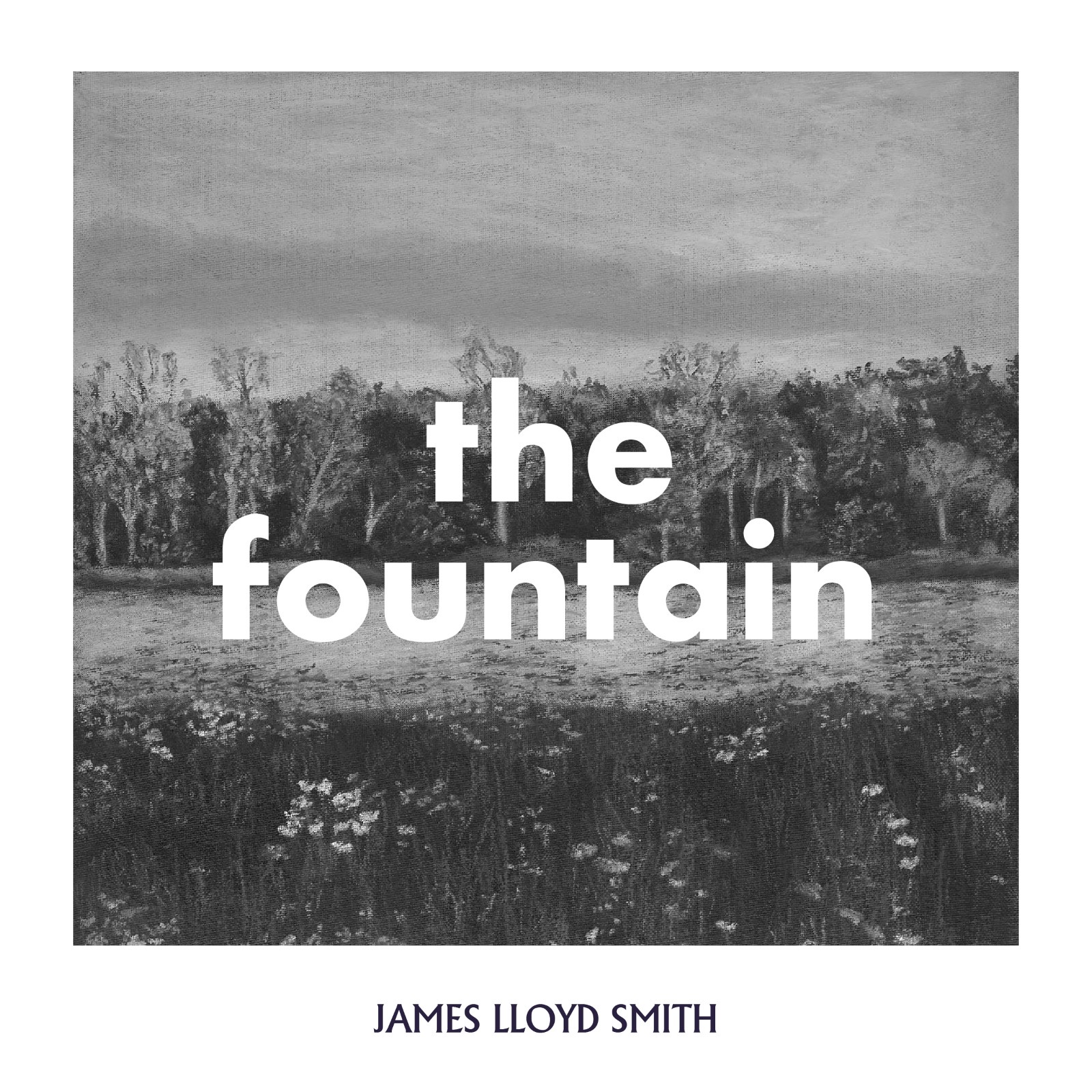
“The Fountain” by James Lloyd Smith follows a unique course through the genres of indie folk and baroque pop, with its arrangement departing from conventional songwriting patterns. Since it is the fifth single to be taken from the forthcoming album Mystery Maze, the song examines the connection between humanity and the natural world and at the same time addresses the worrying habit of remaining passive when it comes to environmental destruction. Instead of adopting a simple sequence, the song uses a complicated structure that allows its ideas to develop, thus producing an experience based on reflection and an increasing feeling of unease.
“The Fountain” was made using an expanded lo-fi technique and includes piano recorded at an old college, drums recorded at a friend’s studio, and field recordings of birds and fountains gathered around Hever Castle. This results in an atmospheric backdrop which is directly based on the surrounding environment, with natural sounds becoming an integral part of the song’s character and thus reinforcing the link between its musical structure and its subject. Each of the recordings is made with the overall aim in mind, enabling the piece to go beyond the limitations of a typical home-recorded production.
Environmental concern is at the heart of the song’s message, especially the annoyance caused by society’s readiness to accept harm to the natural world. Rather than presenting it as an accusation, Smith treats the issue as a personal reminder, which gives the song a reflective character without in any way reducing the urgency of its concerns. The contrast between the beauty implied by birdsong and fountains and the actual situation of environmental crisis produces a strong tension. The main idea of the song urges listeners to think again about the difference between noticing a problem and actually getting involved with it.
The strength of “The Fountain” lies in the way its loose structure, the various environmental textures, and its thoughtful subject matter come together. By moving away from the kind of introspective  songwriting that it might otherwise have adopted, the song achieves a wider scope, linking personal reflection with a concern that goes well beyond one’s own individual experience. Instead of providing simple solutions, it promotes a greater awareness of the things that are at risk when indifference becomes a regular occurrence. Although it takes a subtle approach it is clear in its message, and “The Fountain” is a well-considered example of indie folk music which incorporates the natural world firmly into its creative vision.