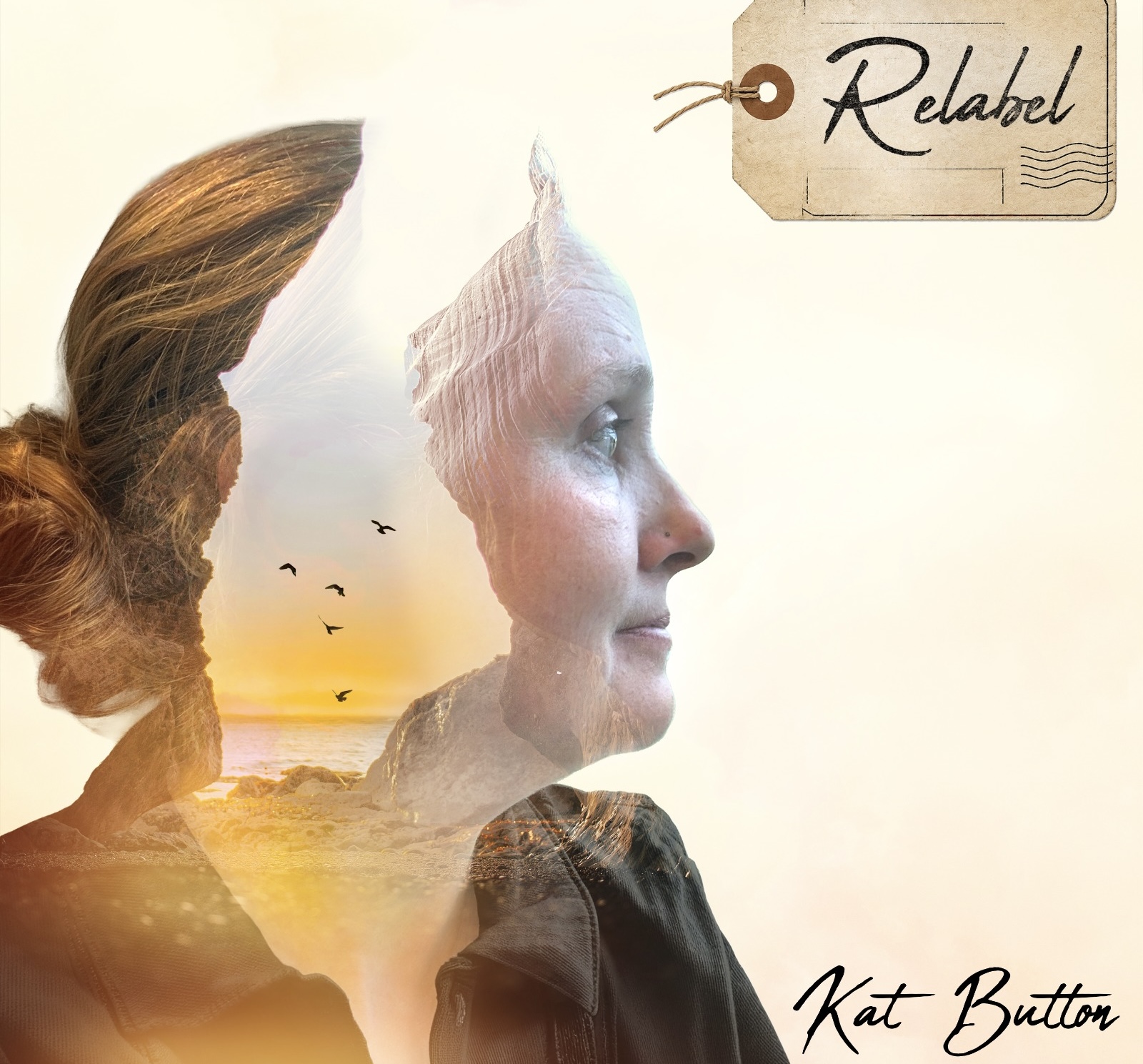
Kat Button’s Relabel is an album that focuses on personal discovery, a change in perceptions, and the process of gaining a clearer understanding of oneself. Being her second album after Refocus, it represents a move towards EDM and its different subgenres while still keeping mental health and neurodivergency right at the heart of the project. The title of the album comes from the concept of reevaluating the way experiences and symptoms are understood, thus giving the record a well-defined theme that links its musical style with its subject matter.
The album looks at various aspects of ADHD such as hyperfocus, euphoria, burnout, mood swings, internal anger, frustration, loneliness, mental exhaustion, self-care, and the need for self-compassion. Instead of treating these topics as separate issues, Relabel shows the different stages that an experience goes through, moving from phases of intense focus and energy via exhaustion and frustration to diagnosis and unmasking. This gives the project a clear sense of progression, yet its themes stay closely linked to Kat’s own experience of being diagnosed with ADHD together with her existing OCD diagnosis.
Kat also employs the album as a means of examining the concept of relabelling in individual songs; the song “Am I?” turning into “I Am” on track five shows a shift towards acknowledging and accepting one’s identity, and “Kintsugi” is based on the Japanese art of mending broken pottery as a metaphor for repairing broken aspects and transforming them into something meaningful. These ideas contribute an extra dimension to the album, giving the title a significance that goes beyond a simple change of genre. The fact that she has chosen to treat these themes within the context of EDM and dance-pop also gives the project a particular purpose in that musical genre.

Because of her many years’ experience as a singer, songwriter, producer, music teacher, composer, performer, and arranger, Kat Button sees Relabel as both a creative initiative and a means of communication. The influence of the electronic music of the 1980s and 1990s together with more modern sounds shapes the direction of the album, and each song is crafted so as to draw the listeners into the topic being examined. Thus, Relabel becomes a reflective exploration of changing labels, facing up to difficult experiences, and moving towards a clearer understanding of one’s identity.